
Warming Solutions
Warming Solutions
An energy-efficient, low-voltage, self-regulating radiant heating solution that creates warm, comfortable surfaces wherever it is applied. Durable and maintenance-free, StableHeat produces heat only where you want it, and for far less than traditional forced-air systems.
An energy-efficient, low-voltage, self-regulating radiant heating solution that creates warm, comfortable surfaces wherever it is applied. Durable and maintenance-free, StableHeat produces heat only where you want it, and for far less than traditional forced-air systems.
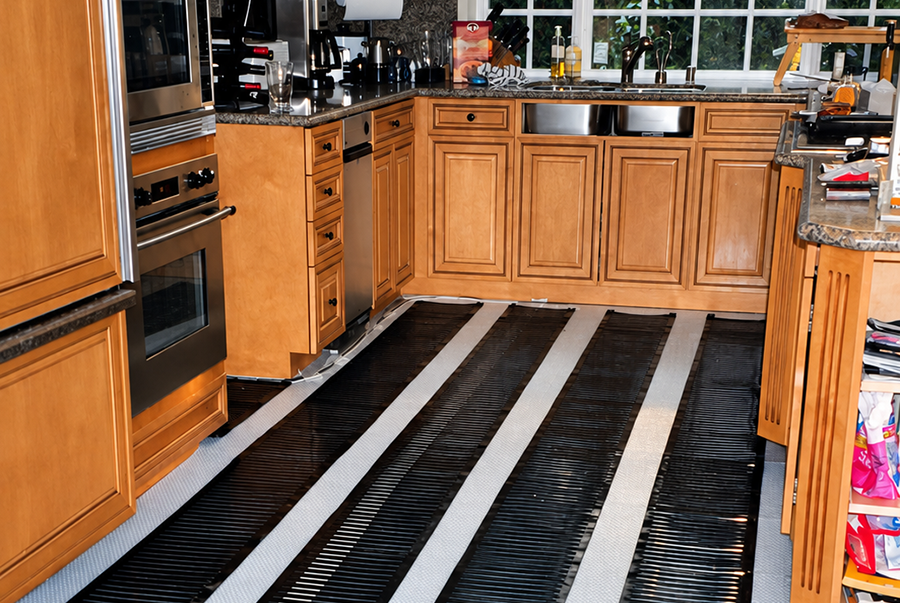
Floors
Adding Warmth Where it’s Needed Most
It’s no secret that forced-air systems tend to heat the space in our homes rather than surfaces, which is why heat ends up rising and collecting around ceilings where it’s least needed. StableHeat’s floor-warming technology puts heat where it’s most desired: under our feet. The low-voltage system can work beneath virtually any flooring type and self-regulates to maintain a consistent temperature. Installation in many cases is DIY!
Walls & Partitions
Flexible Enough for Any Design
StableHeat’s ultra-thin profile makes it ideally suited for applying to walls and other indoor partitions. Although radiant-heated walls are more common in Europe, U.S. homeowners (and businesses) are catching on to the trend, particularly because radiant-heated walls warm faster than floors, work particularly well in bedrooms and living areas, and add to a home’s energy-efficiency.
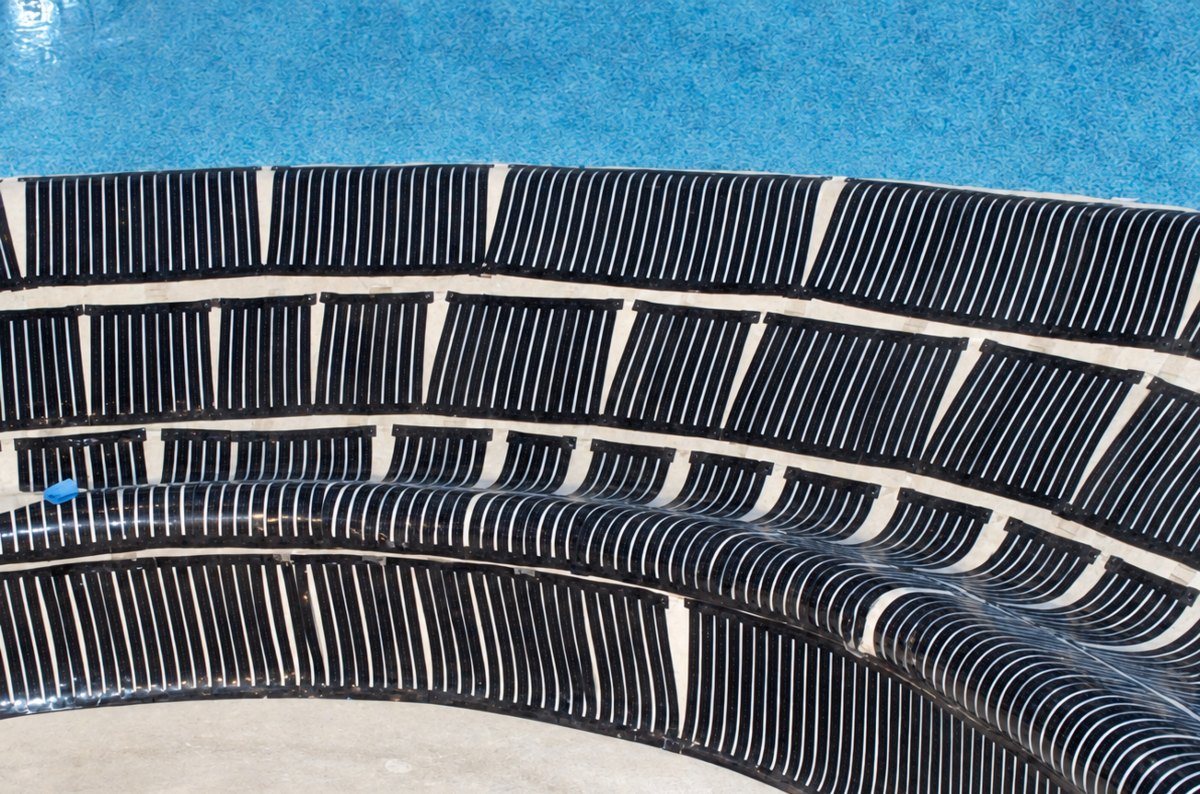
Walls & Partitions
Flexible Enough for Any Design
StableHeat’s ultra-thin profile makes it ideally suited for applying to walls and other indoor partitions. Although radiant-heated walls are more common in Europe, U.S. homeowners (and businesses) are catching on to the trend, particularly because radiant-heated walls warm faster than floors, work particularly well in bedrooms and living areas, and add to a home’s energy-efficiency.
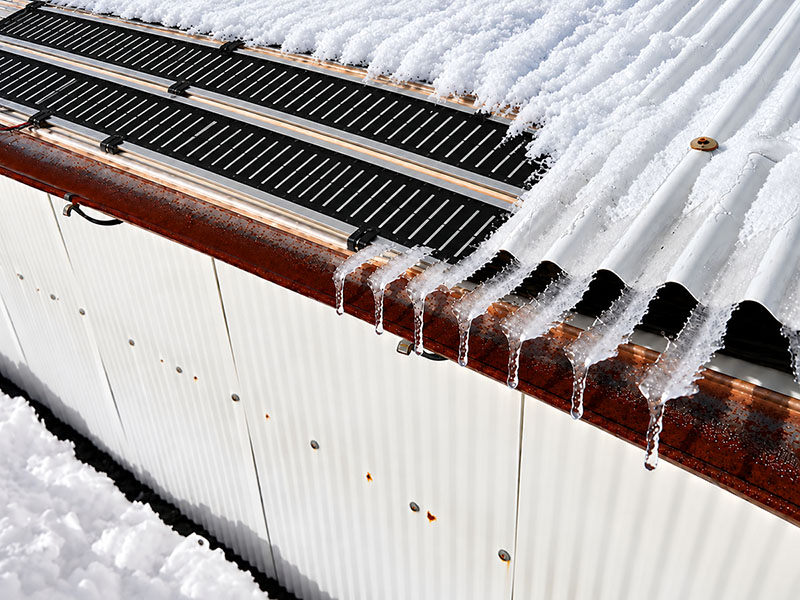
Trending
Heating the Rest of the Home
Although the U.S. has been slow to adopt radiant heating, climate change is compelling a growing number of builders to incorporate the energy-efficient technology into homes and commercial buildings. Those trends include the use of thin-profile strips like the ones StableHeat produces; radiant ceilings for both heating and cooling; snow-melting and deicing applications for safety; heated roofs and gutters to eliminate ice jams; and radiant-protected heat pumps.